Cherry Tree Removal in San Jose, CA
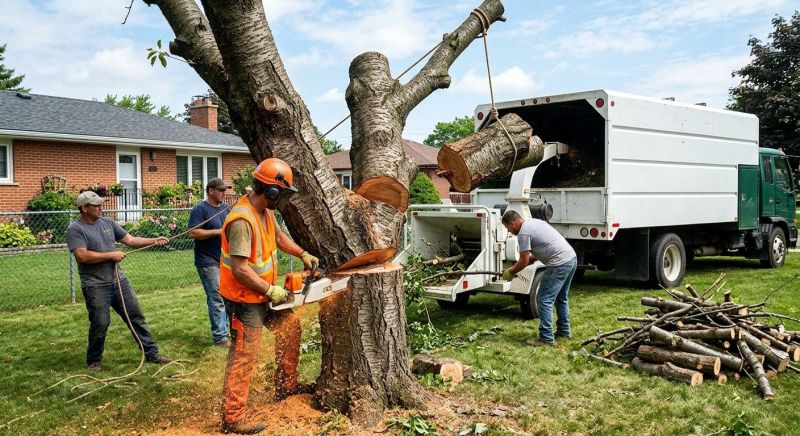
Cherry tree removal services involve the careful cutting and disposal of cherry trees that are dead, damaged, or no longer desired on a property. These projects typically include removing entire trees that may pose safety risks, clearing space for new landscaping, or addressing issues caused by disease or overgrowth. Property owners often seek this service to maintain a safe and attractive yard, especially when a tree has become a hazard or is interfering with other structures or plantings.
Before requesting cherry tree removal, property owners should consider the size and location of the tree, as well as any potential impact on surrounding structures or landscape features. It's also helpful to understand whether the tree is healthy or diseased, and if there are any local regulations or property restrictions that might influence the removal process. Clear information about these aspects can help ensure the project proceeds smoothly and safely.
Many property owners in San Jose, CA look into Cherry Tree Removal for repairs, replacements, upgrades, and appearance-related improvements.
Reasons To Remove Cherry Trees
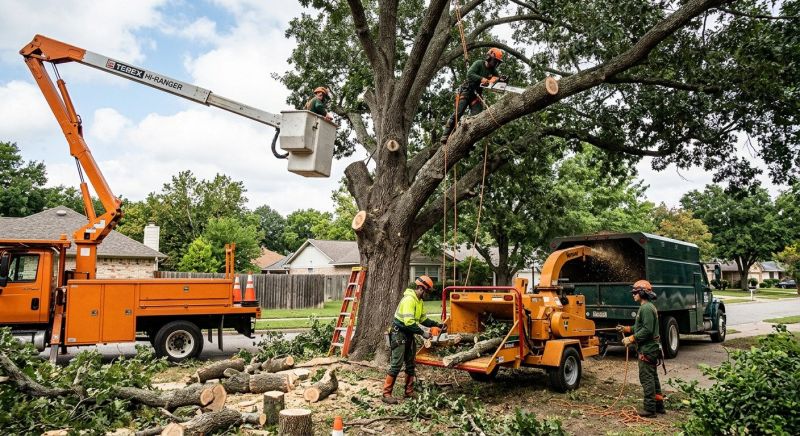
Removing overgrown or damaged cherry trees can improve safety and aesthetics on residential properties in san jose, ca.
Cherry Tree Removal Process
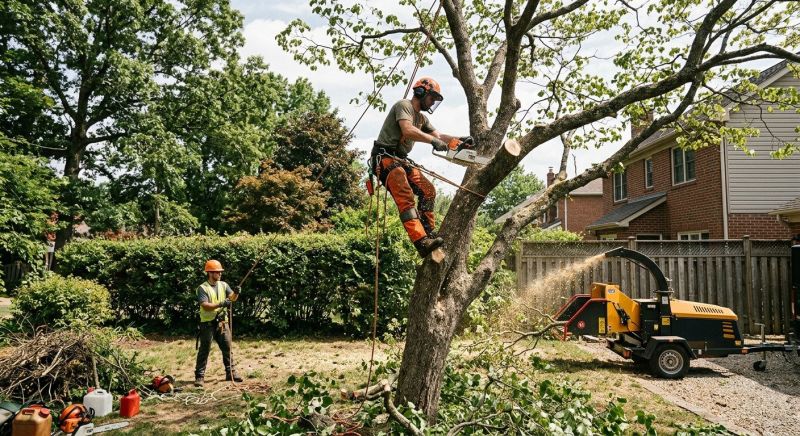
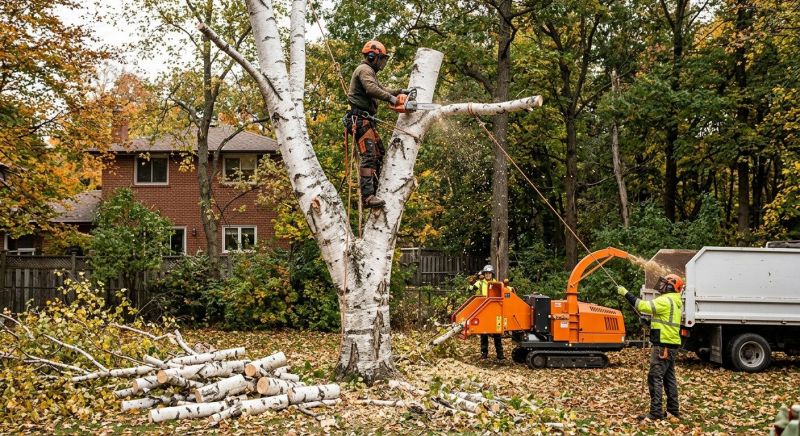
The process involves carefully cutting and removing the tree while minimizing impact on surrounding landscape and structures.
Post-Removal Landscaping Tips
After removal, proper cleanup and landscaping can restore the area and prepare it for new planting or use.
Cherry Tree Removal in San Jose, CA
Cherry tree removal services involve the careful cutting and disposal of cherry trees that are dead, damaged, or no longer desired on a property. These projects typically include removing entire trees that may pose safety risks, clearing space for new landscaping, or addressing issues caused by disease or overgrowth. Property owners often seek this service to maintain a safe and attractive yard, especially when a tree has become a hazard or is interfering with other structures or plantings.
Before requesting cherry tree removal, property owners should consider the size and location of the tree, as well as any potential impact on surrounding structures or landscape features. It's also helpful to understand whether the tree is healthy or diseased, and if there are any local regulations or property restrictions that might influence the removal process. Clear information about these aspects can help ensure the project proceeds smoothly and safely.
Many property owners in San Jose, CA look into Cherry Tree Removal for repairs, replacements, upgrades, and appearance-related improvements.
Common Cherry Tree Removal Jobs
Cherry tree removal - removes unwanted or hazardous trees safely from residential properties.
Emergency cherry tree removal - handles urgent situations where trees pose immediate risks.
Stump removal - clears remaining stumps after tree removal to prevent regrowth.
Selective cherry tree removal - targets specific trees to improve landscape or property safety.
Complete tree removal - takes down entire cherry trees for health, safety, or aesthetic reasons.
Tree cleanup services - removes debris and ensures the area is tidy after cherry tree removal.
Cherry Tree Removal Questions
Why remove a cherry tree? Removing a cherry tree may be necessary due to disease, damage, or to make space for other landscaping projects.
Is cherry tree removal disruptive? The process can vary in impact depending on the size and location of the tree, but proper planning minimizes disturbance to the property.
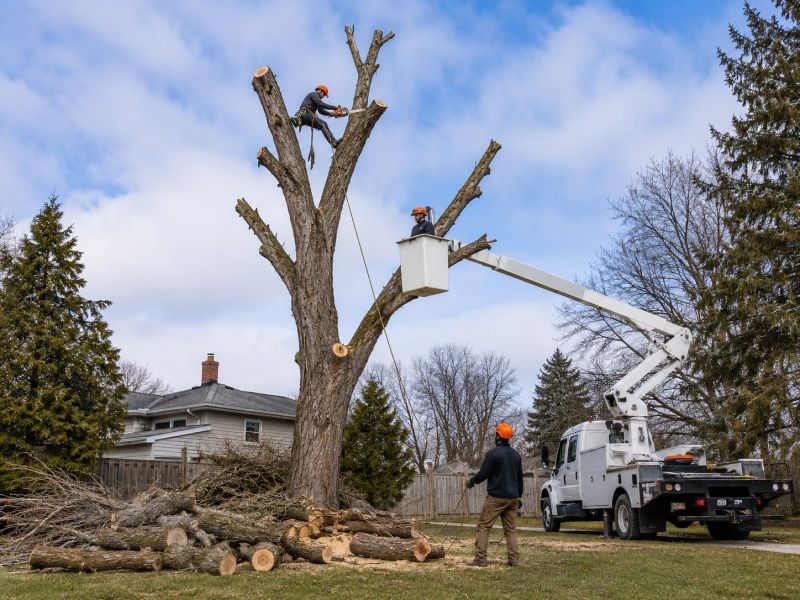
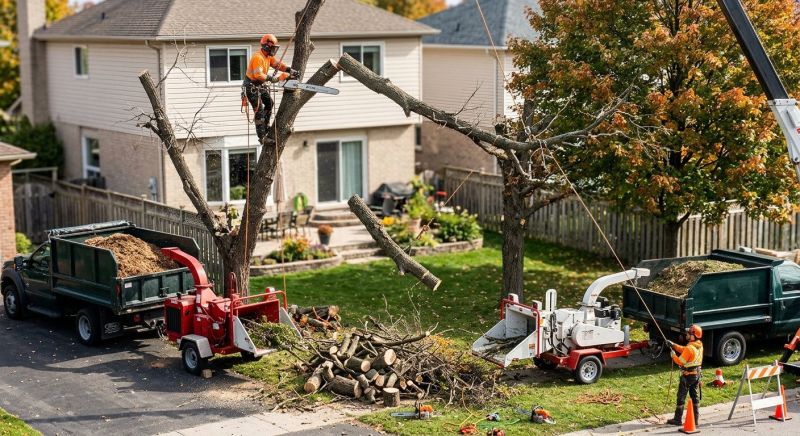
What equipment is used for cherry tree removal? Heavy-duty tools such as chainsaws, cranes, and rigging gear are typically used to safely remove large trees.
Should a cherry tree be removed or pruned? Removal is recommended if the tree is dead, diseased, or poses safety risks; otherwise, pruning may be sufficient for health and aesthetics.
Request Cherry Tree Removal in San Jose, CA
Use the quote form on this page to share the basics of your project and request more information for the type of work you need.