Optimal Timing for Walnut Tree Removal
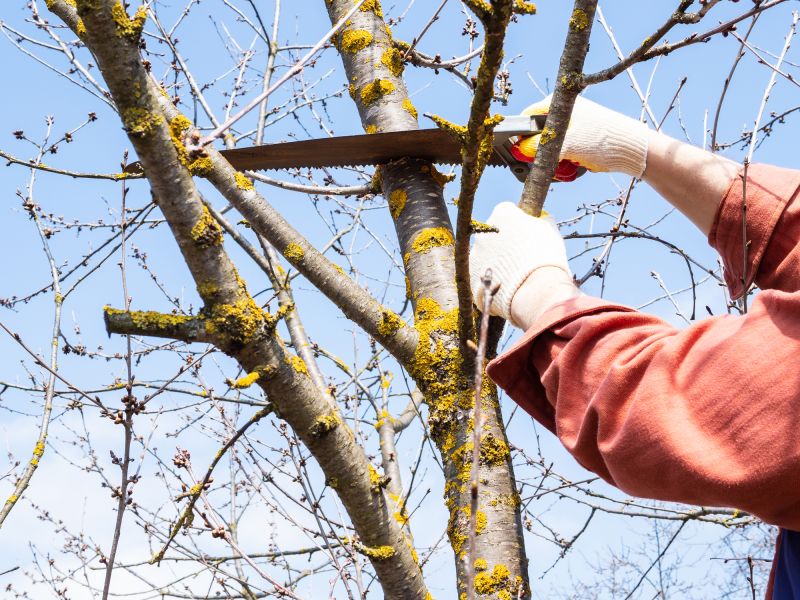
Early spring is ideal for walnut tree removal as the tree is still dormant, reducing stress and recovery time.
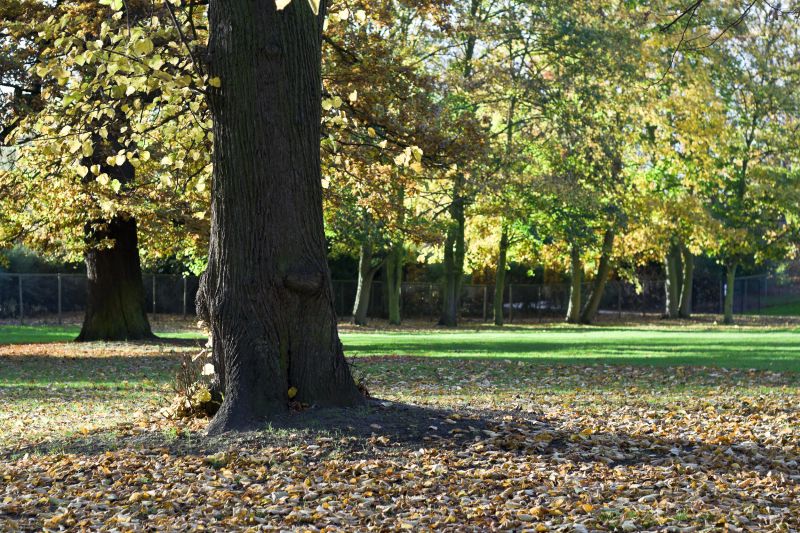
Late autumn allows for removal after leaf drop, minimizing disruption to the tree's growth cycle.
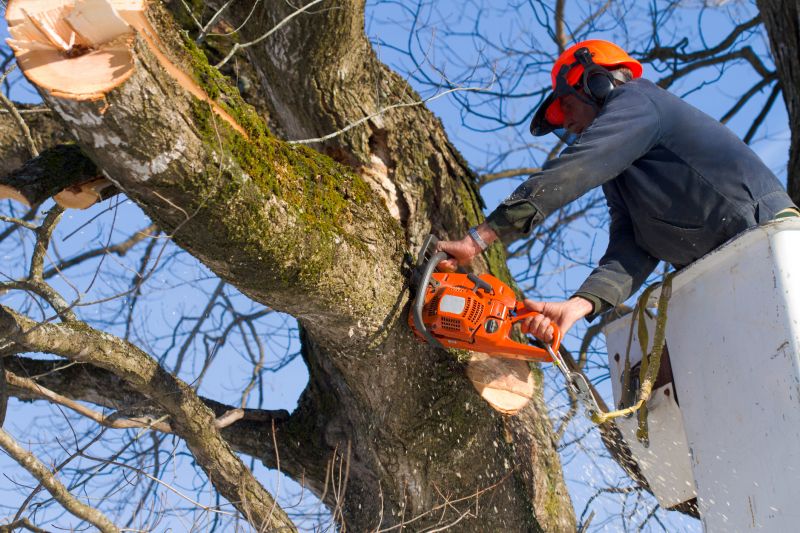
Winter removal is suitable when the tree is fully dormant, offering easier access and reduced risk of disease spread.
Ways to make Walnut Tree Removals work in tight or awkward layouts.
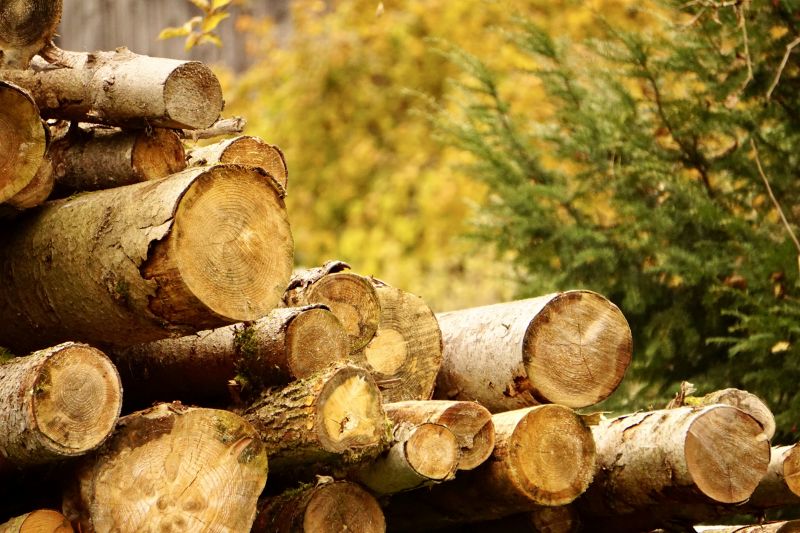
Popular materials for Walnut Tree Removals and why they hold up over time.
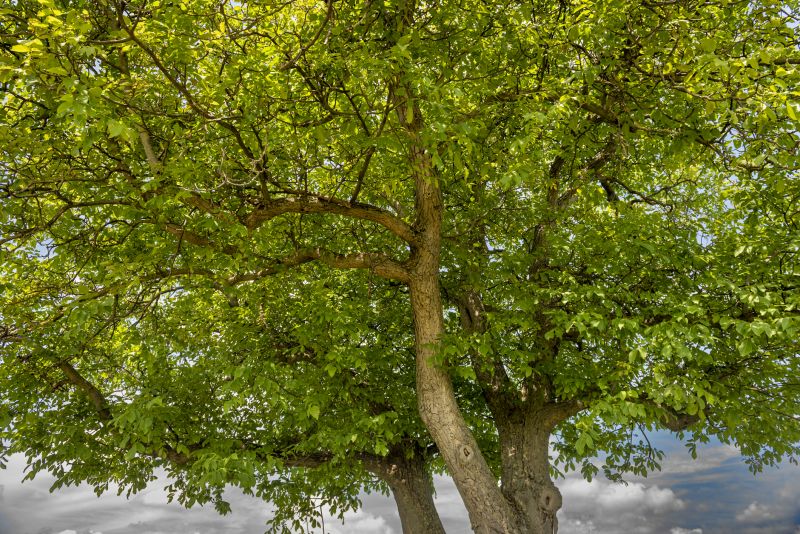
Simple add-ons that improve Walnut Tree Removals without blowing the budget.
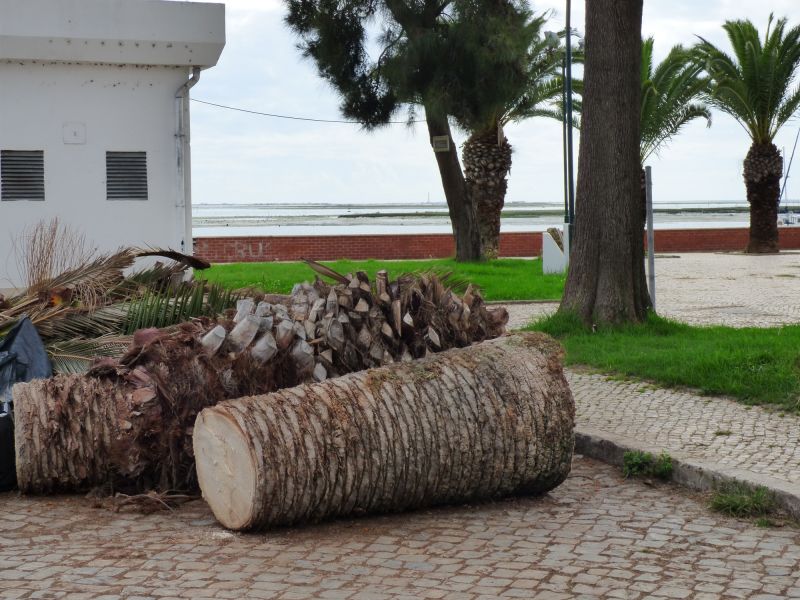
High-end options that actually feel worth it for Walnut Tree Removals.
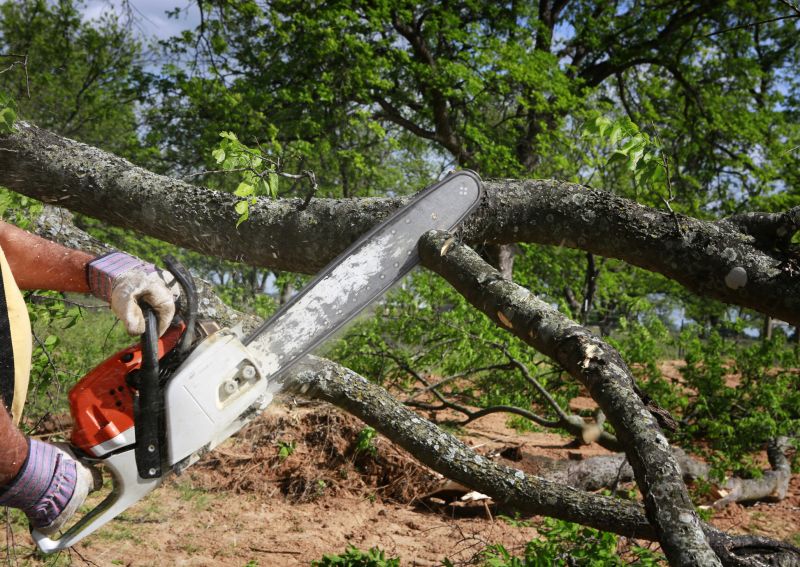
Finishes and colors that play nicely with Walnut Tree Removals.
Walnut tree removals are typically performed during periods of dormancy to minimize impact on surrounding vegetation and to reduce the risk of pest and disease transmission. The timing of removal can influence the health of nearby plants and the efficiency of the process. Proper scheduling ensures that the removal is safe, efficient, and causes minimal disturbance to the landscape.
Statistically, the majority of walnut tree removals occur in late autumn and winter, aligning with dormancy periods. These seasons provide optimal conditions for safe and effective removal, with fewer complications from active growth or insect activity. The size and age of the tree also influence the best timing, as larger, mature trees may require different approaches compared to younger specimens.
Walnut trees can grow over 30 meters tall and live for more than a century, making removal a significant undertaking.
Weather conditions such as heavy rain or snow can impact removal schedules, with dry, cold days preferred for safety.
Removing a walnut tree requires careful planning to prevent damage to property and ensure safety for personnel.
Proper timing helps the landscape recover quickly, reducing soil disturbance and promoting regrowth of surrounding plants.
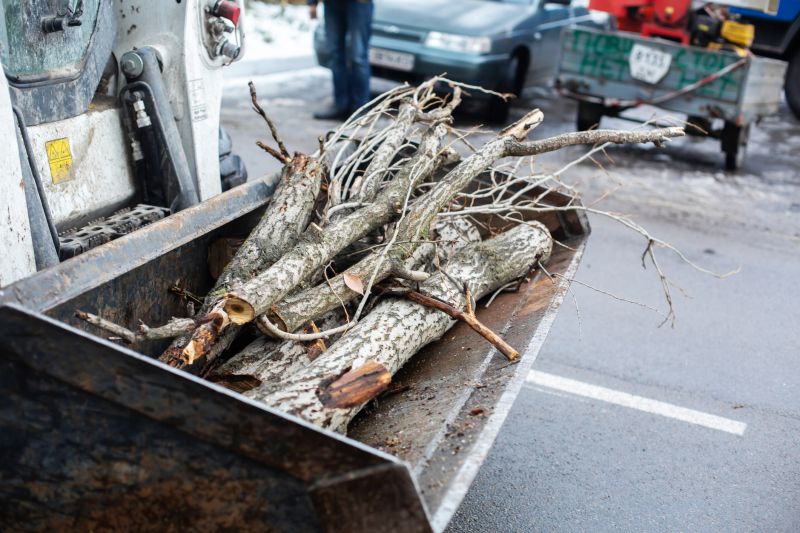
Specialized machinery ensures safe and efficient removal of large walnut trees.
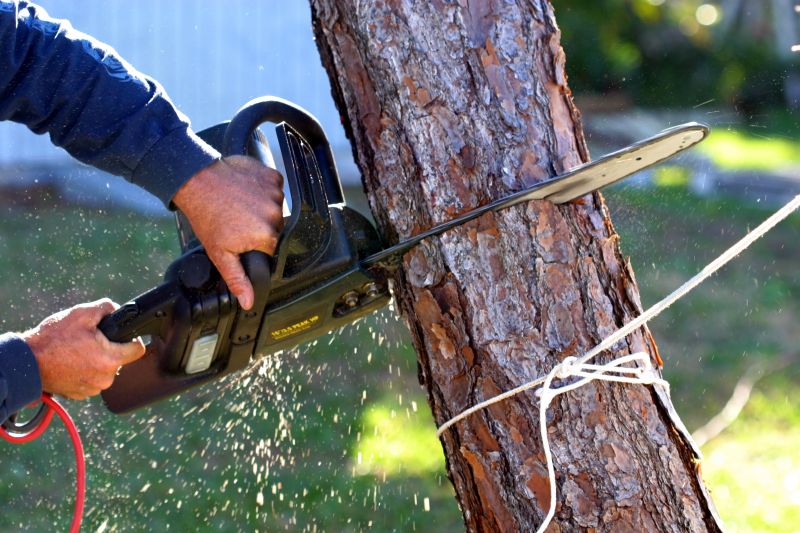
Proper technique involves strategic cuts to control the fall and prevent damage.
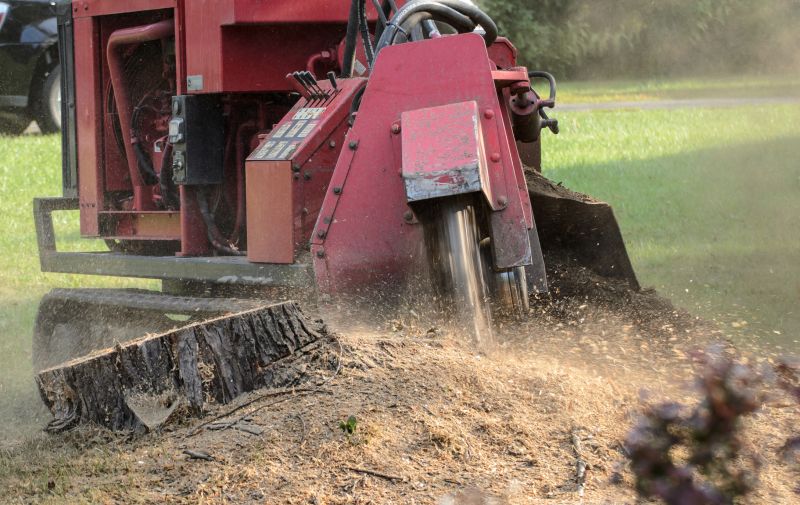
Post-removal stump grinding facilitates land use and prevents regrowth.
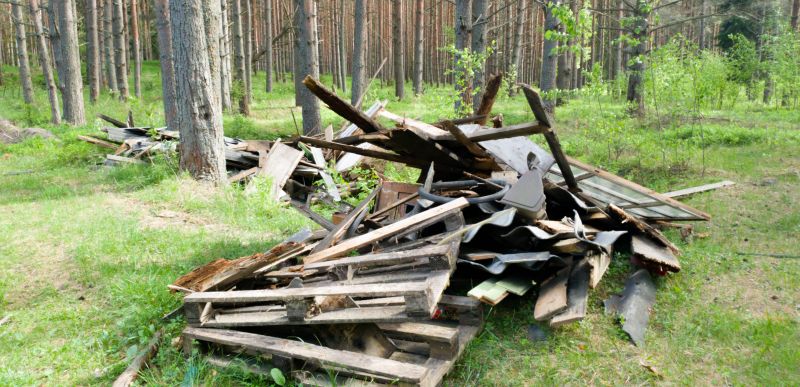
Wood and debris are responsibly disposed of or repurposed following removal.

Little measurements that prevent headaches on Walnut Tree Removals day.
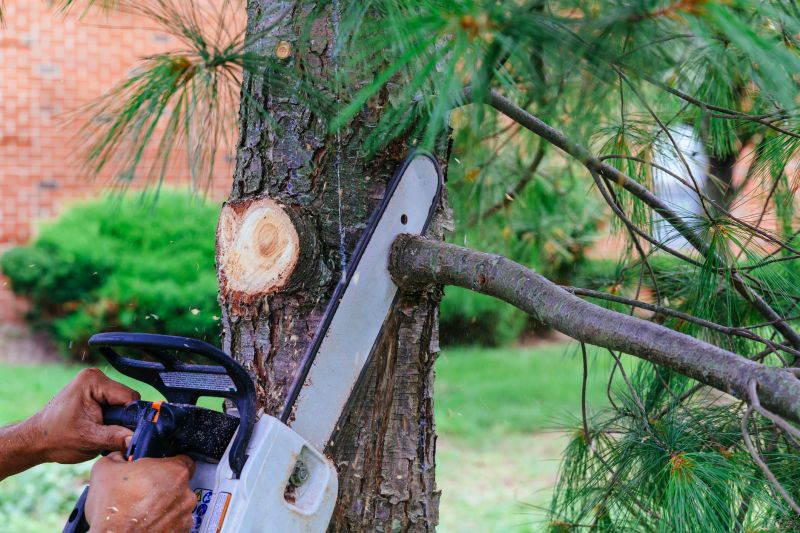
A 60-second routine that keeps Walnut Tree Removals looking new.
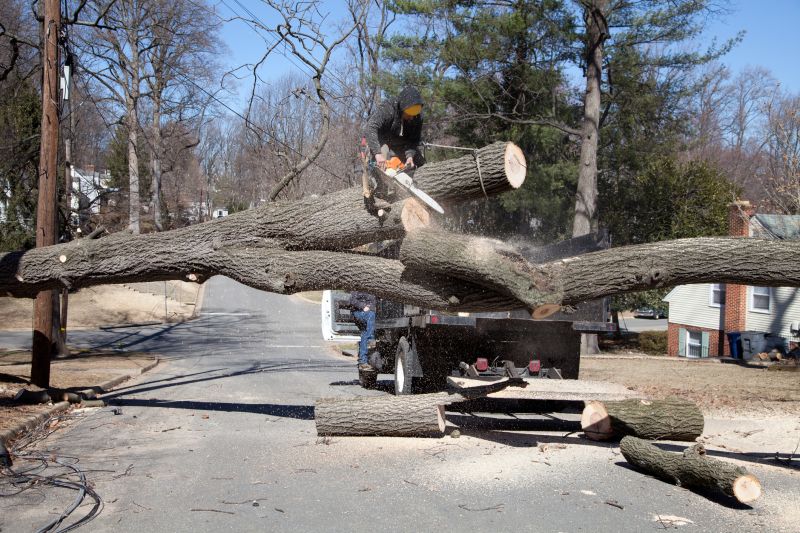
A frequent mistake in Walnut Tree Removals and how to dodge it.
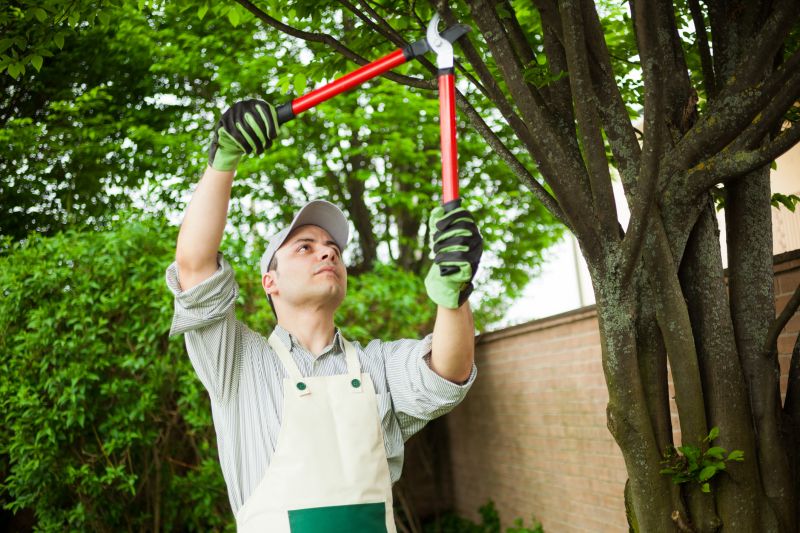
Small tweaks to make Walnut Tree Removals safer and easier to use.
| Season | Advantages |
|---|---|
| Spring | Tree is dormant; minimizes stress and promotes quick recovery. |
| Late Autumn | Post-leaf fall; easier access and reduced pest activity. |
| Winter | Tree is fully dormant; ideal for large or mature trees. |
| Summer | Not recommended; active growth increases risk and difficulty. |
| Early Autumn | Possible, but may interfere with fruiting and growth cycles. |
Interested in walnut tree removal services? Filling out the contact form allows for a detailed assessment and scheduling at the optimal time for your landscape. Proper timing ensures safety, efficiency, and minimal landscape disruption.