
Favorite Walnut Tree Removal Products For Quick and Effective Tree Clearing
Browse our curated list of popular products that help you remove walnut trees quickly while maintaining safety and precision.
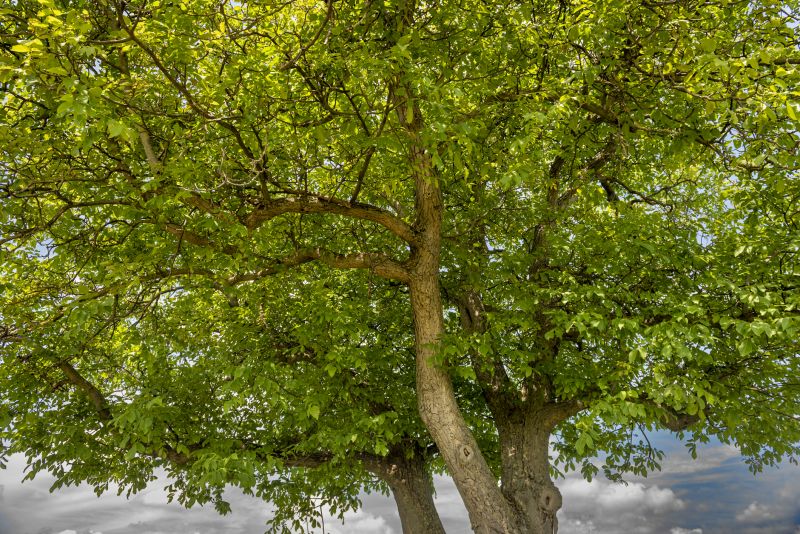 Removing a walnut tree requires careful consideration of the tools and products used to ensure safety and effectiveness. Whether dealing with a dying or hazardous tree, selecting the right equipment can facilitate a controlled and safe removal process. Typically, professionals utilize a combination of cutting tools, safety gear, and disposal equipment to manage the task efficiently. Proper planning and the right products can help prevent damage to surrounding property and reduce the risk of accidents.
Top Overall Option
Heavy-Duty Chainsaw
A heavy-duty chainsaw offers reliable power and cutting precision for removing large walnut trees. Designed for durability and ease of use, it can handle thick branches and trunk sections efficiently, making it a versatile choice for both professionals and experienced homeowners. Proper safety features and ergonomic design can enhance control and reduce fatigue during extended use.
Types of Products For Walnut Tree Removals
Manual Pruning Shears
Ideal for trimming smaller branches and preparing the tree for removal, manual pruning shears offer precision and control.
Electric Chainsaw
A lightweight and easy-to-handle option suitable for smaller to medium-sized walnut trees, providing quick cuts with less noise.
Gas-Powered Chainsaw
Offers greater power for larger trees, capable of handling thick trunks and heavy branches efficiently.
Stump Grinder
Used for grinding down the remaining stump after the tree has been felled, facilitating site cleanup and replanting.
Tree Felling Wedges
Helps control the direction of falling trees, providing leverage and safety during the cutting process.
Rope and Rigging Gear
Essential for controlling large or leaning trees during removal, ensuring safe and precise felling.
Safety Helmets
Protects the head from falling debris and accidental impacts during tree removal activities.
Protective Gloves
Provides hand protection against cuts, splinters, and abrasions during handling tools and debris.
Safety Goggles
Protects eyes from flying debris, sawdust, and branch fragments during cutting and grinding.
Harness and Climbing Gear
Supports safe climbing and positioning for removal of large or hard-to-reach walnut trees.
Loppers
Ideal for trimming smaller branches and thinning out foliage before removal.
Debris Chutes
Facilitates safe and efficient debris removal by channeling cut branches and wood away from work areas.
Tree Removal Dollies
Helps transport smaller sections of felled trees or branches safely across the site.
Wire Cutters
Useful for cutting wire or cable ties securing branches or rigging gear.
First Aid Kit
Essential for addressing minor injuries promptly during removal activities.
Popular Choices
A portable and convenient option for small to medium removals, offering ease of use without cords.
Designed for cutting thick branches and trunks, providing manual power for precise cuts.
Suitable for large-scale removals, capable of handling substantial trunks and branches.
Compact and easy to maneuver for grinding down stumps after felling the tree.
Provides leverage for controlled tree felling, especially in tight spaces.
Assist in safely ascending and positioning for cutting larger trees.
Reduce noise exposure during operation of loud equipment like chainsaws.
Provide stability and foot protection during removal activities.
Helps manage large branches and sections during removal, reducing manual effort.
Collect and contain cut branches and wood chips for easier disposal.
Ensures secure positioning when working at height on large trees.
Supports controlled felling and movement of heavy tree sections.
Assists in lifting and maneuvering large branches safely.
Clears undergrowth around the tree before removal begins.
Keeps chainsaws in optimal cutting condition for efficient work.
For homeowners and arborists alike, understanding the available product options is essential. Products range from manual pruning tools to powerful chainsaws, stump grinders, and safety accessories. Each product type serves a specific purpose in the removal process, from initial cutting to final disposal. Investing in quality tools can also improve safety, reduce effort, and ensure cleaner cuts, which are important for the overall process.
Safety should always be a priority when removing a walnut tree. Protective gear such as gloves, helmets, eye protection, and sturdy footwear are crucial. Additionally, specialized equipment like tree wedges, rigging gear, and harnesses can help manage larger or more complex removals. Proper training and understanding of each product’s function can significantly mitigate risks associated with tree removal activities.
In summary, selecting the right products for walnut tree removal involves evaluating the size of the tree, the complexity of the removal, and safety considerations. Whether opting for manual tools or powered machinery, ensuring compatibility and quality can lead to a smoother process. Consulting with professionals or thoroughly researching product options can help achieve a safe and efficient removal experience.
Key Buying Considerations
- Tree size and trunk diameter determine the power and size of the equipment needed.
- Safety features such as guards, anti-vibration handles, and automatic shut-offs are essential.
- Ease of handling and weight of tools impact user fatigue and control during operation.
- Compatibility of accessories and attachments can expand the versatility of the main equipment.
- Power source options include electric, battery-powered, or gas, each with its advantages.
- Durability and build quality influence the longevity and reliability of tools in demanding conditions.
- Availability of replacement parts and maintenance services can affect long-term usability.
- Storage and transportation considerations are important for larger equipment like stump grinders and winches.
- User skill level should match the complexity and power of the tools selected.
- Budget constraints may influence the choice between manual, electric, or gas-powered options.
- Environmental conditions, such as weather and terrain, can impact equipment performance.
- Compliance with safety standards and certifications ensures safer operation.
- Consideration of disposal or recycling options for debris and leftover wood is also relevant.
- Availability of instructional guides or training resources can help ensure proper use.
- Compatibility with existing safety gear enhances overall safety during operation.